
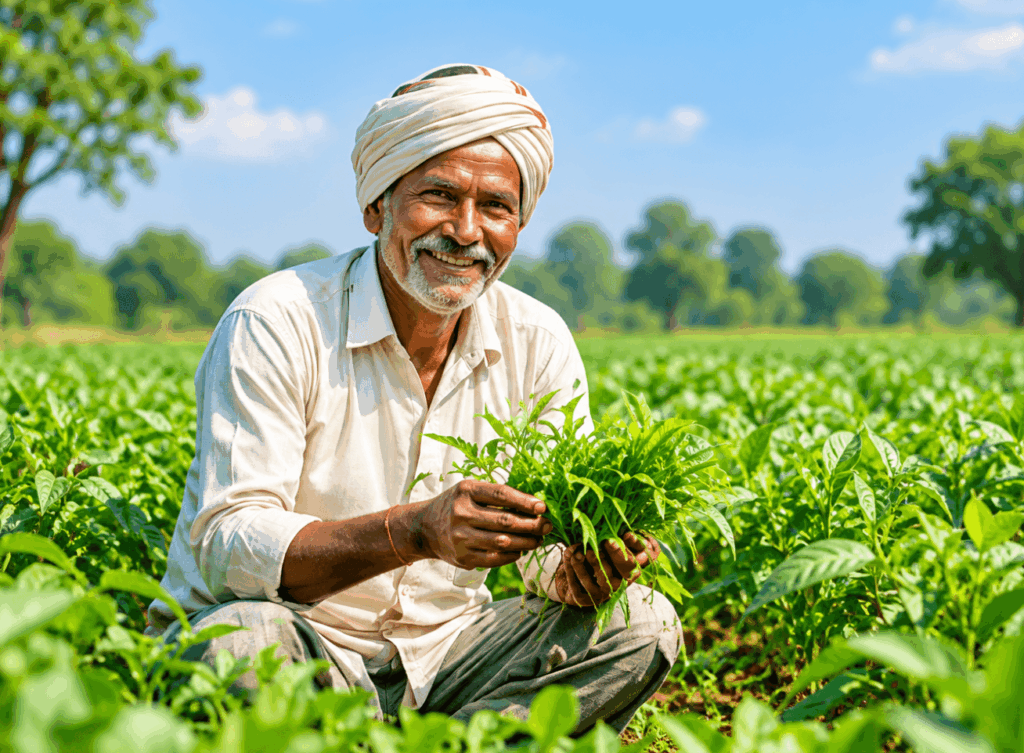
Women’s Contribution to Farm Based Economies and Their Access to Land Rights in the North Eastern States of India
This study was conducted for the Ministry of Women and Child, Government of India and was broadly based on a survey of about 8,405 women working in the farming/agriculture sector across seven North Eastern states of India — Assam, Arunachal Pradesh, Mizoram, Manipur, Nagaland, Tripura and Meghalaya.
Gender Based Wage Inequalities in the Formal and Informal Sector
This study examined gender-based discrimination and wage inequalities affecting workers in India. It was conducted for the Ministry of Women and Child, Government of India and was broadly based on a primary survey of approximately 12,049 male and female workers in both the formal and informal sectors across 15 states representing all five regions/zones of India.


Study on Working Condition and Privileges for Women in Unorganised Sector in India
Women constitute a significant part of the rural workforce and face several challenges related to employment, including lack of continuity, insecurity, wage discrimination, unhealthy work relationships, and inadequate medical and accident care.
R.G. Foundation conducted this study to examine these challenges and discuss the policy reforms and institutional changes required for the emancipation and empowerment of the rural female labour force.
Evaluation of Achievement Levels of Class IX, X, XI & XII Students in Mathematics, English & Science
The main objective was to evaluate the educational achievement levels of students from Classes IX to XII in selected tribal and non-tribal districts of Odisha across Mathematics, Physics, Chemistry, Biology — Zoology and Botany — and English, while identifying factors associated with their performance.
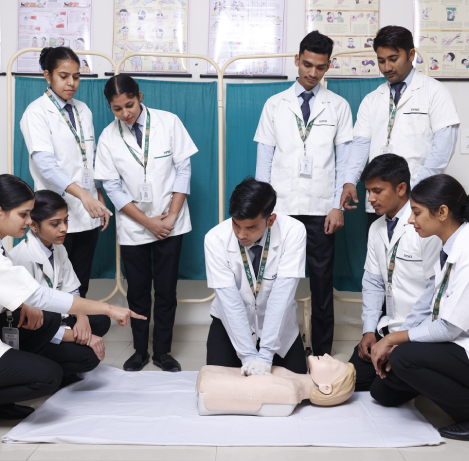
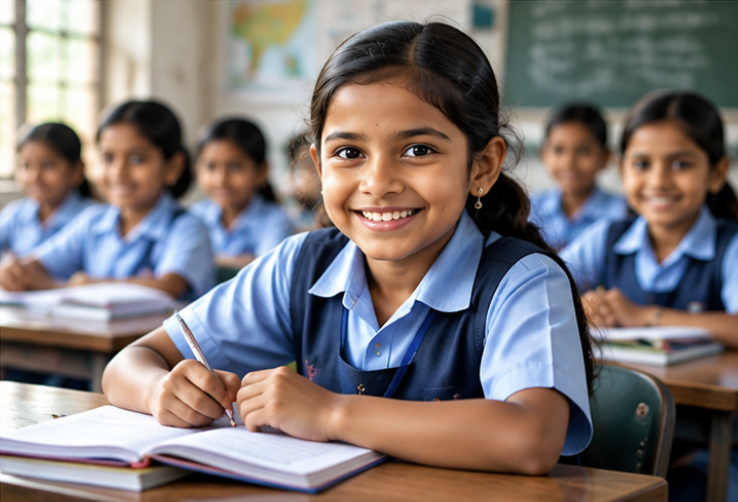
Performance Evaluation Survey of Delhi Government Schools
The main objective of this survey was to evaluate the performance of government school students in comparison with private school students and develop strategies for improving their performance.
Evaluation of Universal Birth Registration (UBR) Campaign
Plan India initiated the Universal Birth Registration programme in January 2006 through a network of more than 40 grassroots NGOs in Andhra Pradesh, Karnataka and Rajasthan. Later, interventions were also started in selected areas of Delhi and Mumbai.
The evaluation study aimed to measure the impact of UBR interventions and progress against established indicators. It was based on a survey of approximately 1,283 individuals, along with in-depth interviews and focus group discussions with NGOs and beneficiaries.

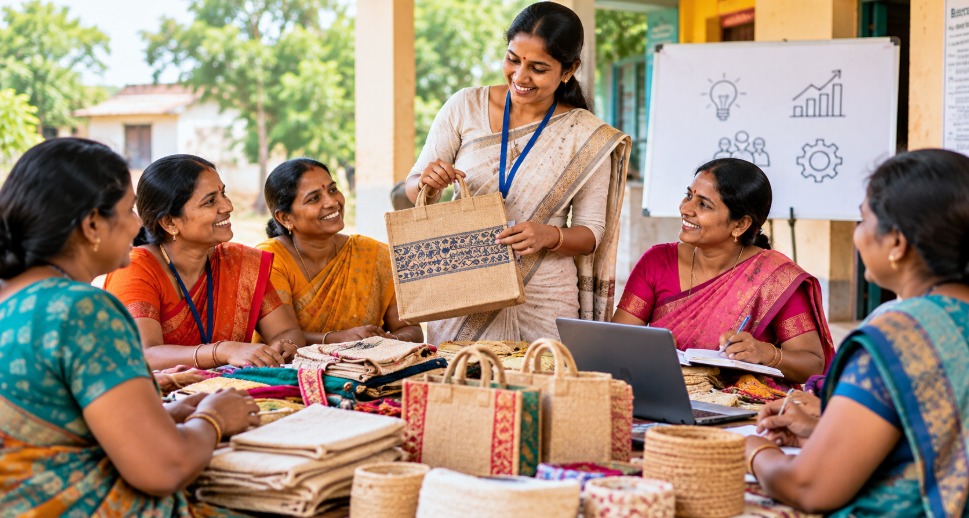
Impact of Naxalism on Developmental Programmes Related to Women & Child
This impact assessment study examined how security and operational challenges associated with Naxalism affected developmental programmes in affected areas.
Socio-Economic Survey of Gujjars in Himachal Pradesh
The study examined the socio-economic status of the Gujjar community in Himachal Pradesh, described in the source as facing significant social and economic marginalisation.

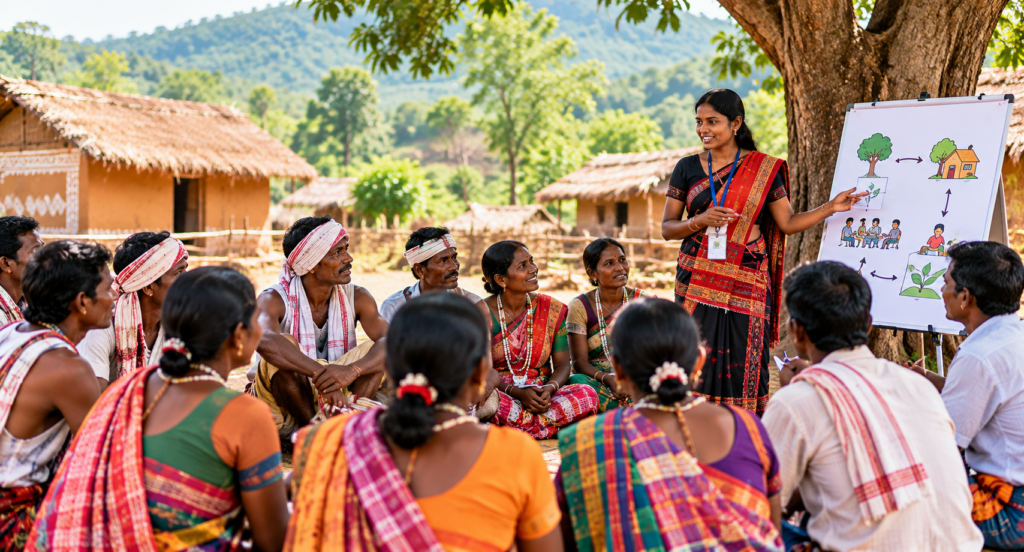
Study on Human Development for Inclusive and Sustainable Green Growth in Himachal Pradesh
Conducted on behalf of HPHDRCS, Planning Department, Government of Himachal Pradesh, this study examined the impact of climate change on agriculture, forests and water resources.
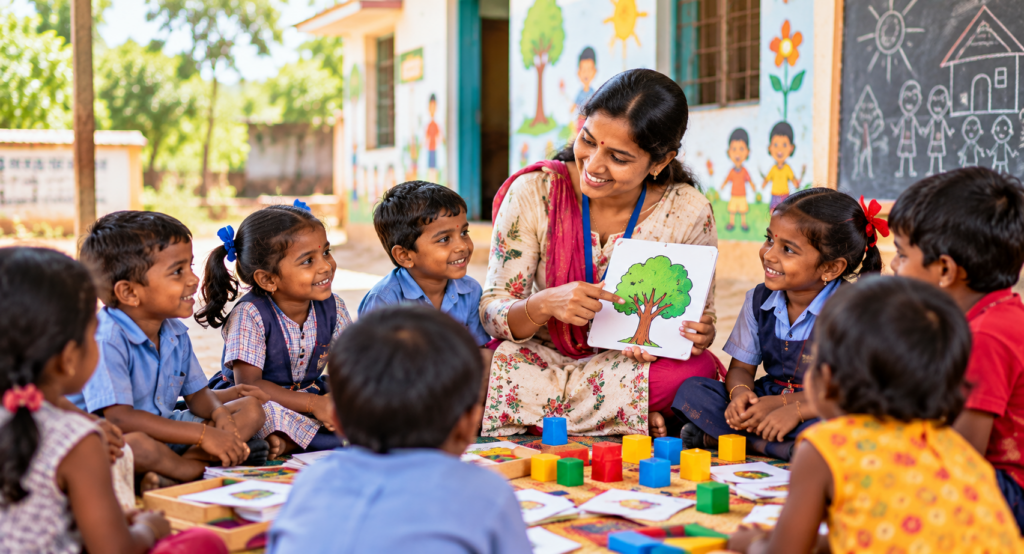
KAP Study on Condoms – Qualitative
This KAP study explored the perspectives of believers and non-believers regarding condoms and examined cues for changing attitudes among non-believers.
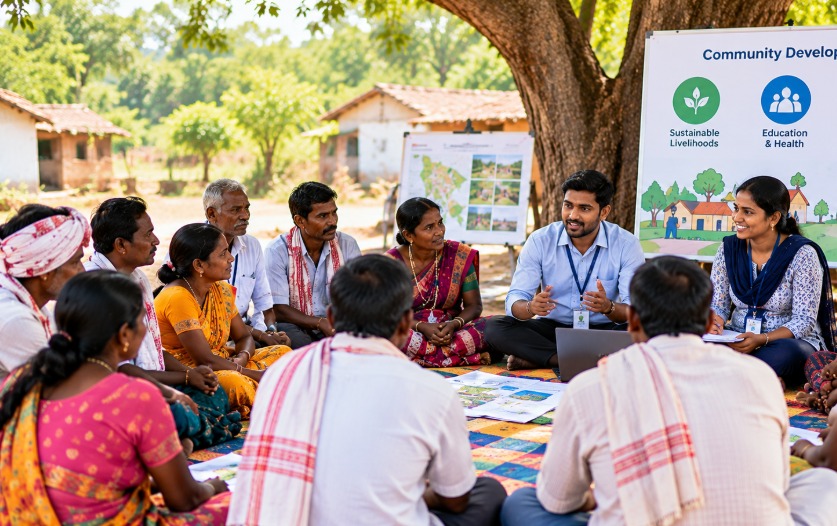
Distribution Coverage Study for Condoms – Quantitative
Educational Infrastructure Assessment Survey
Case Study of Adjacent Areas of RIDCOR Roads
RIDCOR, along with IL&FS Education and Technology Services, sponsored an assessment of educational facilities in schools located alongside RIDCOR roads in Rajasthan.
Terminal Achievement Survey
A Case Study of DPEP Phase – I, Rajasthan
The Phase I of DPEP was launched across ten districts of Rajasthan: Alwar, Bhilwara, Ganga Nagar, Jhalawar, Jhunjhunu, Kota, Nagour, Sikar, Sirohi and Tonk.
Education Need Assessment Survey
-
Market Analysis for Mobile Devices
Client: NOKIA -
Market Analysis of Agricultural Equipment (Tractors)
Client: Eicher -
Market Study on Printer
Client: HP -
Market Feasibility Study for Mobile Phones among the Low-Tier Population in Pakistan & Bangladesh
Client: NOKIA -
Study of Small & Medium Enterprises (SME’s) Market in India & Bangladesh
Client: HSBC – Global
Market Study
-
SWOT Analysis for CEAT Tyres in Indian Market
Client: CEAT Tyres -
Market Survey for the Parcel Services of the Postal Department
Client: Postal Department, Government of India -
Market Survey for the Philatelic Services of the Postal Department
Client: Postal Department, Government of India -
Market Identification of Stationery Products
Client: GENESIS, Delhi</ -
Developing a Business Plan (C R S) for Marketing of Medicare Products
Client: RADIANCE PVT. LTD., Gurgaon
-
The New Retail Market: A Study of Multiplexes in Metro City Delhi
Client: RADIANCE PVT. LTD., Gurgaon -
Study of India’s Submersible Motor/Pump Market
Client: Hitachi-Asia, Singapore -
Study of India’s Submersible Motor/Pump Market
Client: Hitachi-Asia, Singapore -
Understanding the Current Market Dynamics and Forecasting Future Trends for “Induction Motor Market in India”
Client: Hitachi, Singapore -
Study on IT Maintenance & Support
Client: Mercer Management, UK
CUSTOMER SATISFACTION STUDIES
-
Consumer Satisfaction Study for LG Consumer Durables – Through NPS
Products:
Washing Machine
LCD TV
AC
Refrigerator
Client: LG-India -
Consumer Satisfaction Study for LG Home Theater System
Client: LG-Korea -
Customer Perception Study on Rs. 495 Plan of Airtel
Client: Airtel – Bharti Group, New Delhi -
Customer Satisfaction Study of AVIVA Life Insurance
Client: AVIVA Life Insurance Co., New Delhi -
Household Study on Mustard Oil
Client: Bain & Co. -
Customer Preference Study on Rwanda Tea in India & Pakistan
Client: On behalf of Kadence-UK
BRAND RESEARCH
- Understanding the standing of Mountain Dew in the Indian market place & the SWOT analysis of the brand
- Understanding the standing of Mountain Dew in the Indian market place & the SWOT analysis of the brand
- A syndicated research on the Brand Health of various brands of Beer category in India
- The effects of Communication initiatives on brand health of LG-LCD TV
- The competitive position of the Brands in the market place: Durable Products
- The Brand Images study of different Domestic Airlines
Product Testing
- Product Testing: A Case Study Of Packaged Juice (of an Australian Co./Brand)
- Product Testing: Ladies garments of ITC
- Brand Evolution/Evaluation & Brand Positioning for Accenture
- Evaluating the product sensory performance of coffee mix amongst consumers & Retailers
- Assessing the comparative sensory performance of health drink for kids
Ad. Testing/Advertisement Research
- Ad-Evaluation Study for MECCAN.
- IBM-AD Tracker-Advertisement Recall & Evaluatio
- Advertisement Concept Testing for USAID-PSP-One, Washington
Others:
- Employee satisfaction/Dissatisfaction Study for Hertz, Delhi.
- KVIC Sales Outlet Survey for KVIC-MUMBAI
- DATA Mining and DATA Analysis for IDEA Mobile-KERALA DIVISION
- Location Study for setting up a Medicare products manufacturing unit forBTS, New Delhi
01. International Conference on “Labour Migration: Issues and Challenges”
The National Conference entitled “Labour Migration: Issues and Challenges” was organized by RG Foundation in collaboration with the Indian National Building Construction, Forest and Wood Workers’ Federation (INBCWF) from 6–7 October 2016 at India International Centre, New Delhi.
The conference aimed at drawing attention to the issues and challenges pertaining to labour migration and to lay the foundation for further study, research and policy formulation to facilitate inclusive development of migrants.
Participation
- Mr. Digvijay Singh, Hon’ble MP
- Mr. P.K. Patsani, Hon’ble MP
- Mr. Anand Bhaskar, Hon’ble MP
- Mr. Tarun Vijay, Hon’ble MP
- Mr. Santaram Naik, Hon’ble MP
- Mr. Pradeep Bhattacharya, Hon’ble MP
- Mr. Bhubaneshwar Kalita, Hon’ble MP
- Mr. Palwai Govardhan Reddy, Hon’ble MP
- Mr. Tapan Sen, Hon’ble MP
- Mr. Laxman Basnet, General Secretary, SARTUC
- Dr. SK Sashikumar, Senior Fellow, VV Giri National Labour Institute
- Mr. R.S. Meena, HR Director, NHPC
The panellists comprised academicians and field experts from various organizations and institutions, including:
- Centre for Development Studies
- International Institute for Population Sciences
- Labour Department
- International Organisation for Migration
- International Labour Organisation
- VV Giri National Labour Institute
- Jawaharlal Nehru University
- Friedrich Ebert Stiftung
2. National Seminar / Conference on “Fruwash Technology and Empowerment of the Unemployed BPL Youths in 7 North Indian States of India
The Conference on “FRU WASH” Technology And Empowerment of the Unemployed BPL Youth was organized by R G Foundation and IIT Delhi in collaboration with Ministry of Rural Development, Government of India at IRD conference Room, IIT Delhi, New Delhi.
The main objective of this programme was to promote fruwash technology among the participants and create a pool of Master Trainers who, in the long run, will help IIT-Delhi in promoting Fru Wash technology and entrepreneurship among the unemployed BPL youths inhabiting in the rural areas of Himachal Pradesh.
- 60 Researchers, Scientists, trainers, facilitators and volunteers were invited to attend this Conference. Most of them had extensive experience in promoting technologies and in conducting different types of training programmes.
- The Conference was chaired by Prof H M Chawla, the chief driver of this technology mission. The conference was also graced by a number of eminent Scientists and personalities like; Prof S N Singh, Dean, IRD, IIT Delhi, Prof A K Singh, Head, Department of Chemistry, IIT Delhi, Dr Anil Wali, Managing Director, FIIT, Prof N D Kaushik, Director/Principal Bharti Vidya Peeth College of Engineering, New Delhi, Prof S S Yadav, Prof Ravi Shankar, Dr Seema Sharma from Department of Management Studies, Dr S K Gupta, Dr A Pradhan, Dr S Ghosh from National Research & Development Corporation, New Delhi. During the inaugural session, all of them shared their experiences and words of wisdom.
FIELD WORK – PROJECT HIGHLIGHTS
- India Human Development Survey–II (IHDS-II) — major longitudinal household panel survey on health, education, employment, gender, and economic change; fieldwork completed in 2012–13. Sates covered Delhi and Haryana
- Passenger Satisfaction Survey of Indian Railways- Sample size for the project was 12000. Covered states were, Maharashtra, Gujrat, Rajasthan, and Delhi
- Collection of Data on Housing Property Prices in Selected Cities — supported the National Housing Bank’s RESIDEX housing price index across 15 cities.
- Baseline Study on e-Panchayat — assessment of the e-Panchayat initiative
- Rural Economic and Demographic Survey (REDS) — continuing rural household panel survey underpinning research on rural transformation, governance, agriculture, and employment.
- Health Seeking Behaviour in Four Indian States - Survey in Odisha, Uttar Pradesh, Maharashtra, and Punjab on health-seeking pathways, out-of-pocket spending, catastrophic expenditure, and treatment choices.
- Skilling India from the Ground Up — project and case studies on skill development, employability. Survey conducted in 2021.
- Delhi Metropolitan Area Study (DMAS) — household survey conducted in Delhi–NCR;
- Examining Economic Losses for Households Engaged in Tourism due to COVID-19.
- Evaluating India’s Faceless E-Assessment Tax Structure — Department of Economic Affairs-commissioned third-party evaluation of the CBDT’s faceless assessment scheme
- Estimating the Profitability of India’s Cement Sector — Ambuja Cements-commissioned study of returns, competitiveness, revenues, and costs.
- Exploring the Contribution of ICAR Institutes to Agricultural Policy — ICAR-sponsored assessment of agricultural research contributions during the Tenth and Eleventh Plan periods, including farmer incomes, women in agriculture, climate change, and loss reduction.
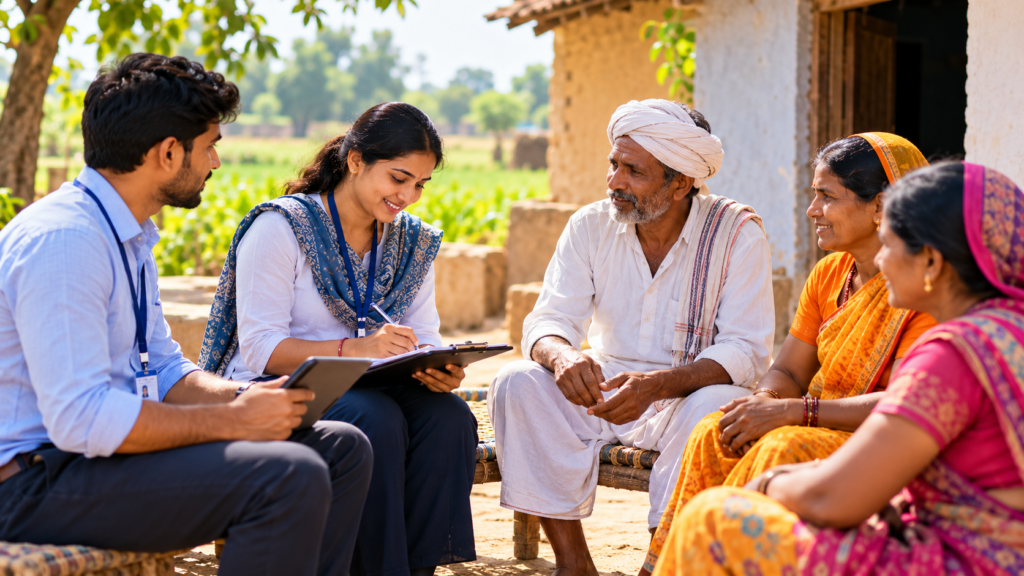
- Investigating India’s Rashtriya Gram Swaraj Abhiyaan — Ministry of Panchayati Raj-commissioned study of Gram Panchayat resources, assets, revenue generation, maintenance, and household perceptions.
- Monitoring Poverty in the Context of COVID-19 —Study of pandemic-related hardship and policy responses, with focus on poor and vulnerable groups.
- MSDP Evaluation Survey- in 6 states of India
- Handloom Survey in MP and Odisha in 4 tracks
- Gems and Jwellery Survey in MP, Odisha and Maharashtra
- Agriculture Insurance Survey
- Market Survey of Submersible Motors in India
- HSBC Customer Satisfaction Survey